Chinese car brands
The global automotive industry is undergoing a remarkable transformation. While traditional automakers have long dominated the market, a new wave of manufacturers is emerging, fueled by innovation and a drive to redefine mobility. Among these rising contenders, Chinese car brands have made significant strides, shifting from being seen as low-cost alternatives to becoming competitive, high-tech, and reliable choices. As these brands continue to expand globally, the question of reliability remains at the forefront of consumer discussions.
Chinese car brands have significantly improved their reliability over the past decade. In the early years, concerns about build quality, safety standards, and longevity were common among international consumers. However, with heavy investment in research and development, stricter quality control measures, and collaborations with global engineering firms, Chinese automakers have closed the gap with established competitors. Many of these brands now adhere to international safety regulations and incorporate cutting-edge technology to enhance performance, safety, and durability.
One of the key factors contributing to the growing reliability of chinese car brands is their emphasis on electric vehicle (EV) technology. Companies like BYD, NIO, and Xpeng are leading the EV revolution, producing vehicles with advanced battery systems, intelligent software, and industry-leading range. The integration of AI-powered driving assistance and smart connectivity features has set a new benchmark for reliability and user experience. As EVs have fewer mechanical parts compared to traditional combustion engines, the chances of mechanical failure are significantly reduced, further boosting consumer confidence in Chinese brands.
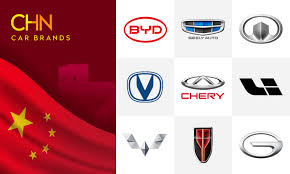
Are Chinese car brands reliable?
Several Chinese automakers have also formed strategic partnerships with well-established global brands to enhance reliability. Geely, for example, owns Volvo, a company known for its safety and engineering excellence. This collaboration has allowed Geely to incorporate Volvo’s safety technology and quality standards into its own vehicles. Similarly, SAIC Motor, which has joint ventures with General Motors and Volkswagen, has benefited from shared technological advancements and manufacturing expertise, leading to more reliable products.
Another testament to the reliability of Chinese car brands is their growing success in international markets. Many of these brands are now exporting their vehicles to regions such as Europe, Australia, and South America, where they must meet strict safety and emissions standards. The fact that these cars are able to pass rigorous testing and gain approval in competitive markets speaks volumes about their quality and dependability. Additionally, positive reviews from consumers and automotive experts highlight improvements in build quality, comfort, and driving performance.
Despite these advancements, some consumers remain skeptical about the long-term durability of Chinese vehicles. Since many of these brands are relatively new to global markets, there is limited historical data on how well their cars perform over extended periods. However, with continuous improvements and longer warranty offerings, companies are working to reassure potential buyers about the reliability of their vehicles. Brands like BYD and Great Wall Motors provide extended warranties and robust after-sales support, demonstrating confidence in their products.
As Chinese car brands continue to refine their technology, manufacturing processes, and global presence, their reliability is increasingly proving to be on par with, if not superior to, many established automakers. With a strong focus on innovation, sustainability, and affordability, these brands are reshaping perceptions and positioning themselves as credible alternatives in the global automotive market.